The haunting lament of the erhu. The gentle raindrop-like plucks of the pipa. The playful call of the dizi. Within moments, you have an entire ensemble of Chinese instruments ready to be performed. As the most extensive section in Silk, these Chinese instruments allow you to weave a beautiful tapestry of the Far East into your music.
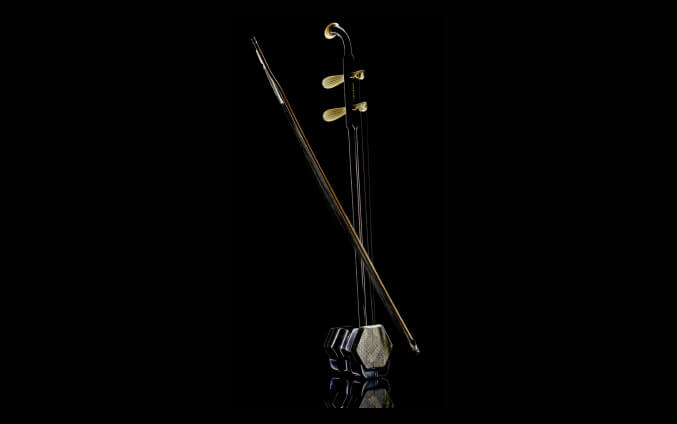
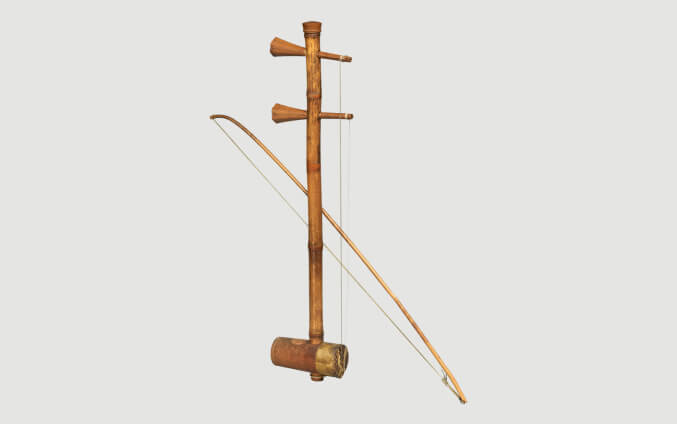
ERHU
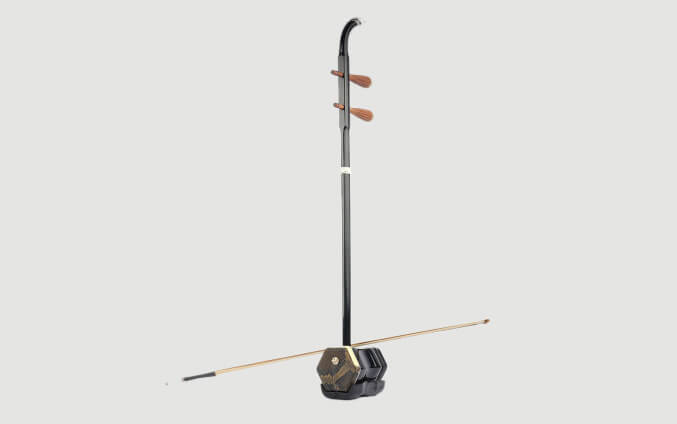
The erhu is a two-stringed bowed musical instrument, sometimes known in the Western world as the Chinese violin. Dating back to the Tang Dynasty (618 – 907), it is the most popular of the huqin family of traditional browed instruments and is used as solo instrument as well as in small ensembles and large orchestras.
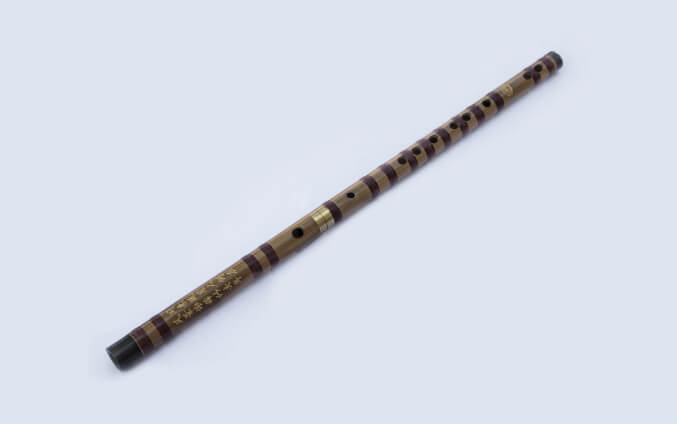
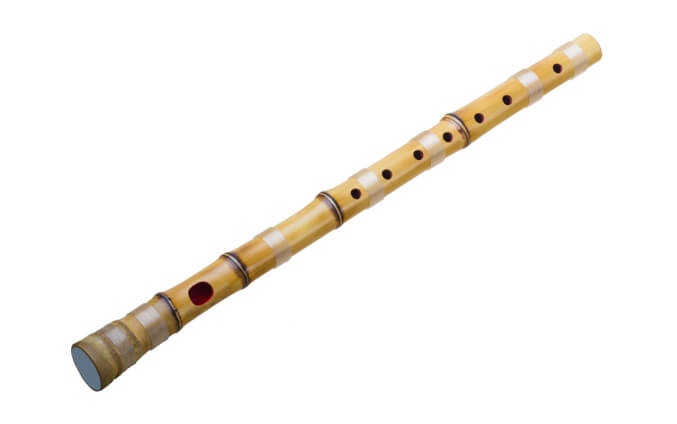
DIZI
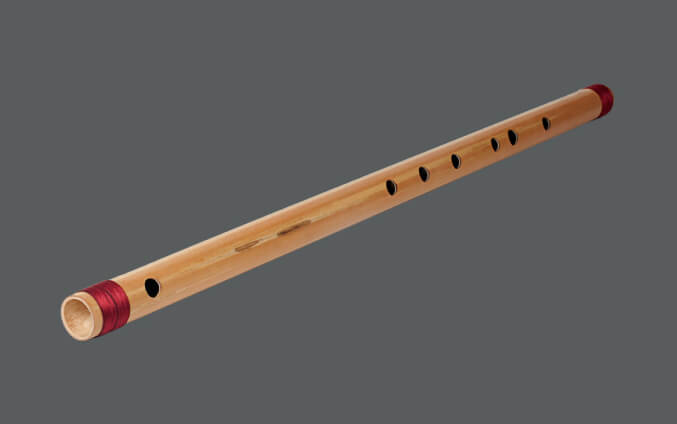
The dizi is a Chinese transverse flute made of bamboo, widely used in many genres of folk music, as well as Chinese opera and the modern Chinese orchestra. Traditionally, the dizi has been popular among the common people of China, partly because it is simple to make and easy to carry. Includes large and small versions.
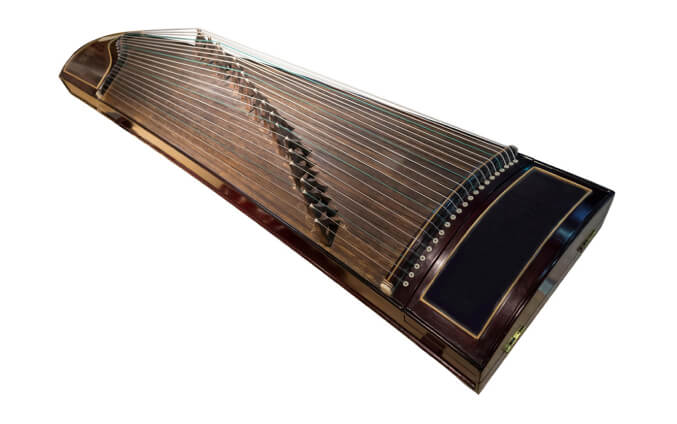
GUZHENG
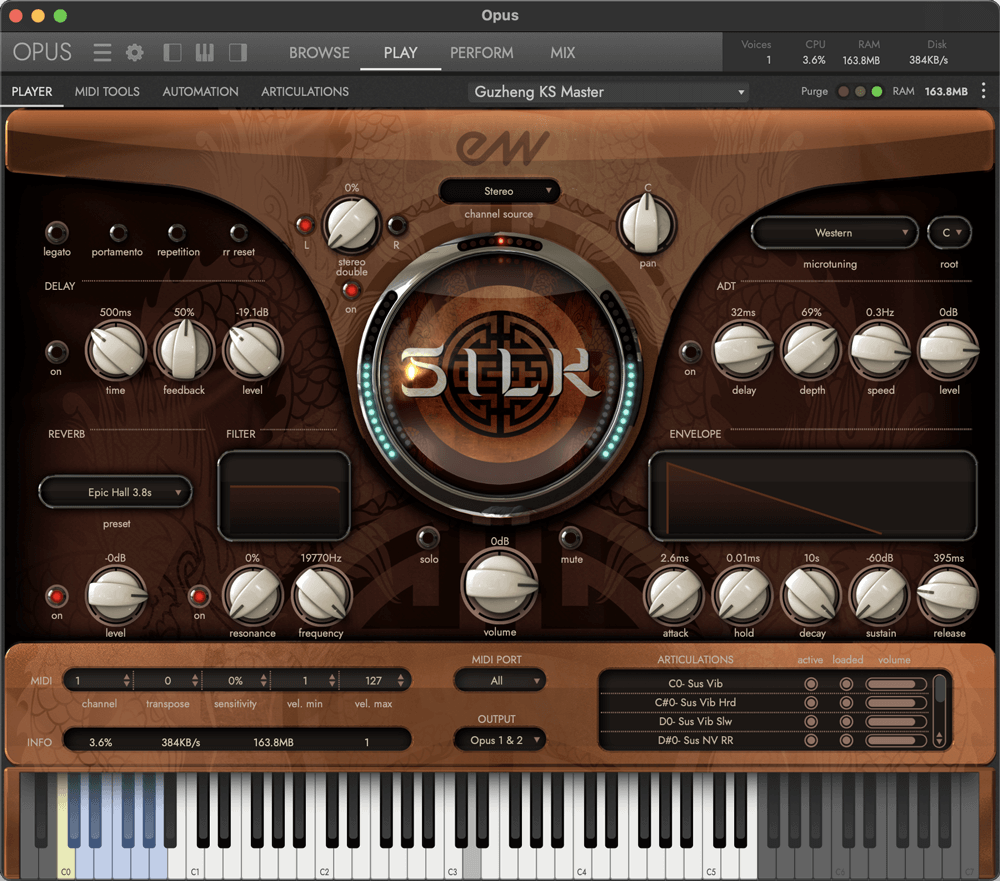
The guzheng is a plucked string instrument that is part of the zither family. It is one of the most ancient Chinese musical instruments with a more than 2,500-year history and is considered one of the main chamber and solo instruments of Chinese traditional music.
JINGHU
Principally used as an accompanying instrument for the Beijing opera, the jinghu is another important two-stringed fiddle in the huqin family. It was developed in the Qing dynasty (around 1790). The pitch of this instrument is the highest among all instruments in the huqin family.
BAWU
Although shaped like a flute, the bawu is actually free single-reed wind instrument played horizontally. Originating from the Yunan province of southwest China, the Bawu has become a standard instrument throughout the country and is often featured in film scores and popular music recordings.
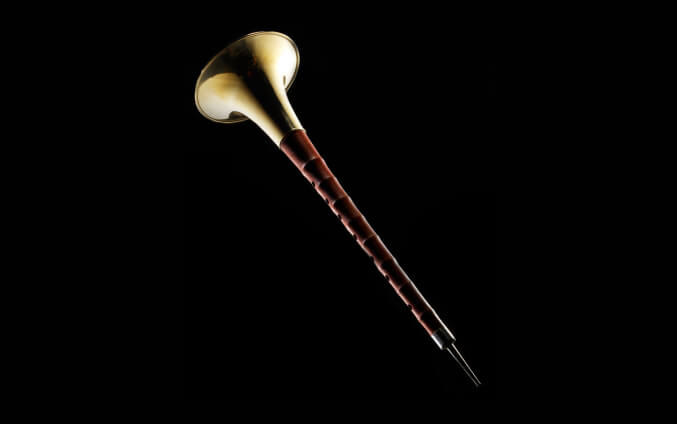
SUONA
The suona is a double-reeded horn with a conical wooden body, similar to that of the European oboe. It is an important instrument in the folk music of northern China, where it has long been used for outdoor festivals, military parades, wedding and funeral processions.
PIPA
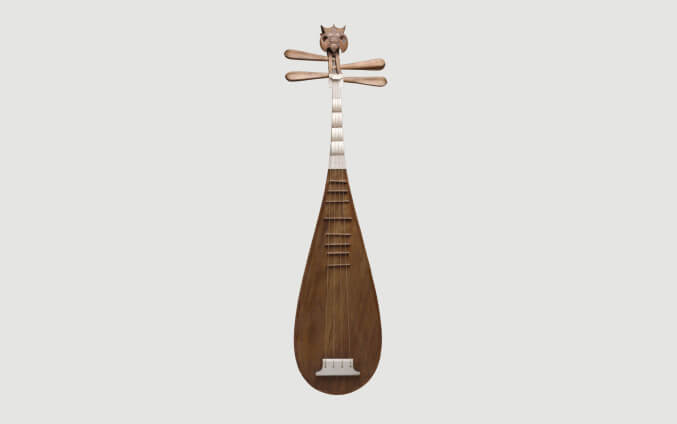
Sometimes known as the Chinese lute, the pipa is a four-stringed plucked instrument with a pair-shaped body. It’s one of the most popular Chinese instruments and has been played for almost two thousand years, originating in the Han dynasty.
SHENG
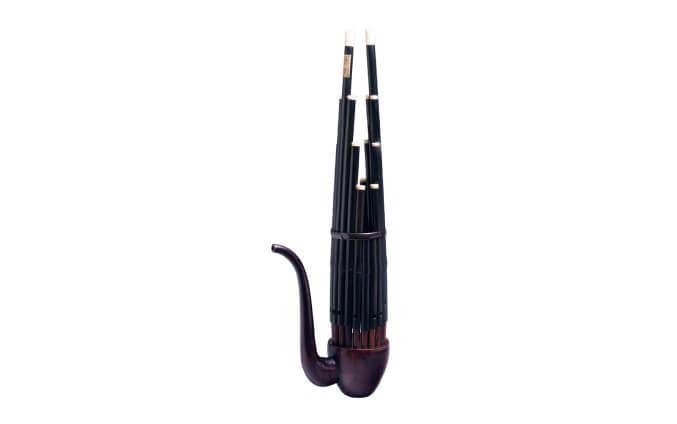
The sheng is a mouth-blown free reed wind instrument consisting of vertical pipes, It is a polyphonic instrument, often used as a solo instrument or as an accompaniment for suona or dizi performances. Dating back to 1100 BCE, the sheng is one of oldest Chinese instruments.
XIAO
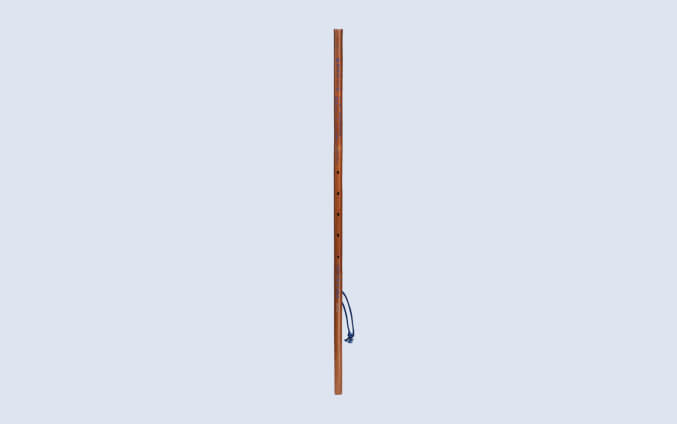
The xiao is a Chinese vertical end-blown flute. It is generally made of dark brown bamboo. It is a very ancient instrument usually thought to have developed from a simple end- blown flute used by the Qiang people of Southwest China.
YANGQIN
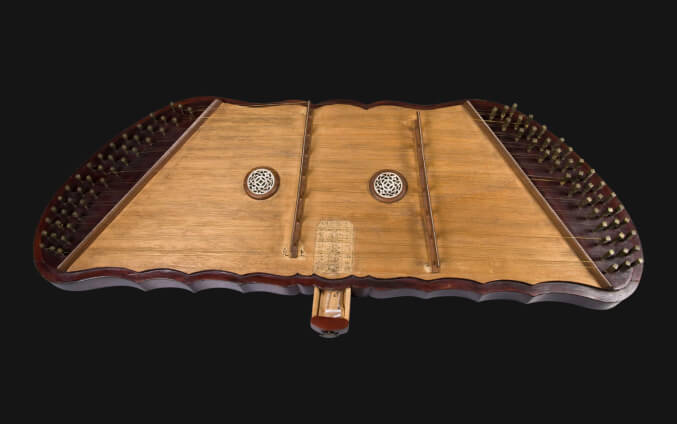
The yangqin is a dulcimer played with bamboo mallets. It produces a high and tinkling timbre in its top registers, a soft, beautiful tone in the middle, and a strong, rich sound in the lower. It is a rather new instrument by Chinese standards, first arriving from the Middle East at the beginning of the Ming Dynasty (1368–1644).
ZHONGHU
If we call the erhu the Chinese violin, the zhonghu is then the Chinese viola, where zhong means “middle.” It was developed from the erhu in the 1940s. Both the structure and performing skill of these two kinds of huqin are very similar, but the zhonghu has a deeper-sounding timbre.