Mono compatibility is easily overlooked, but is as important now as it has ever been. Many club and PA sound systems are still set up for mono playback, and the majority of portable radios, smartphones and many TV sets are mono.
Stereoizer does not add any artificial reverberation, which means no disruptive artefacts such as doubling/chorusing effects or phase cancellation affecting your mono signal. The 'Collapse output to mono' option allows you to check mono compatibility on the fly for your own peace of mind.
For mixing and sound design
Stereoizer can be used to introduce width to mono recordings, or to expand a narrow stereo mix. It can add richness and gloss to your recordings, without having to resort to overcooked heavy EQ and/or compression.
Use Stereoizer to add finesse by introducing natural-sounding width, or zone in and enhance specific frequencies, without upsetting the inherent balance of the sound.
For post production and restoration
Stereoizer is a gift for subtle enhancement of ambience sounds, clearing space for dialog in the centre, or even injecting stereo liveliness into formerly mono recordings.
Whether restoring old recordings or optimising new recordings for louder playback, Stereoizer allows for natural-sounding extrapolation of your existing stereo image. This can be used to re-introduce natural ambience which may have been lost during other stages of the production process.
Stereo frequency analysis
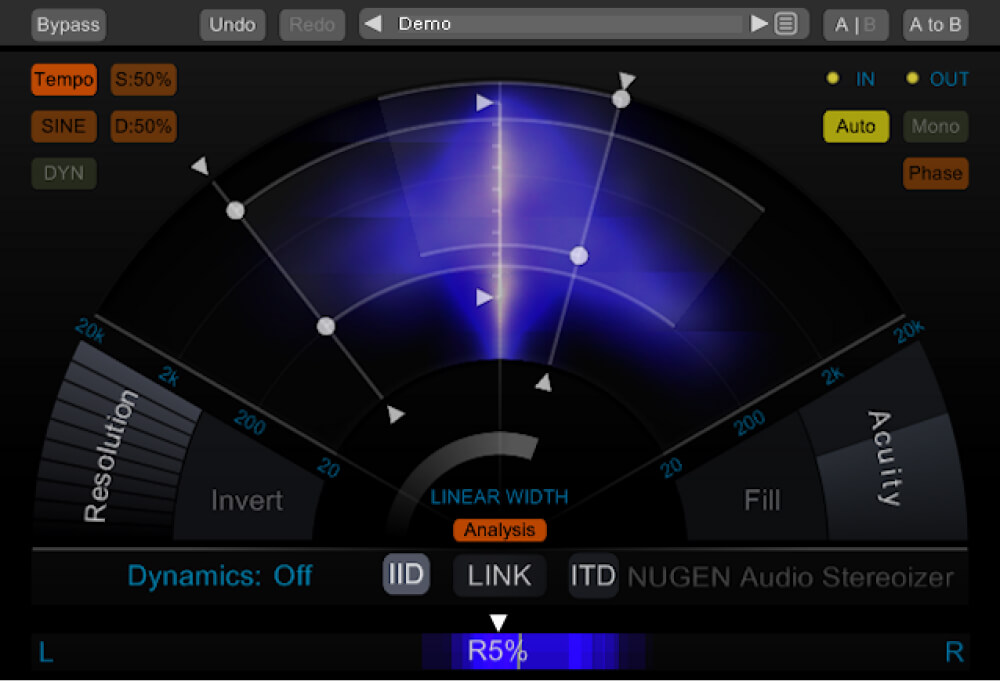
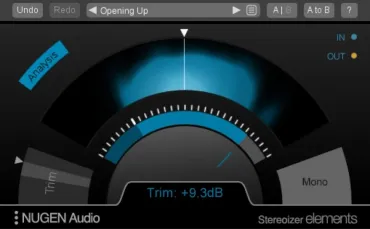
Stereoizer's visual analysis displays how your stereo field deviates from the centre. This is measured against frequency from 20Hz to 22kHz, allowing for frequency-conscious adjustments without the need to refer to a separate analysis plug-in.
Typical applications
- Expanding a narrow stereo image
- Introducing width to mono recordings
- Adding movement
- Taming eccentric material
- Creating 'centre space'
- Avoiding unnecessary EQ