From a lab accident in Soviet Russia to the soundtrack of science fiction — the journey of the first truly electronic instrument.
1920.
An accidental discovery
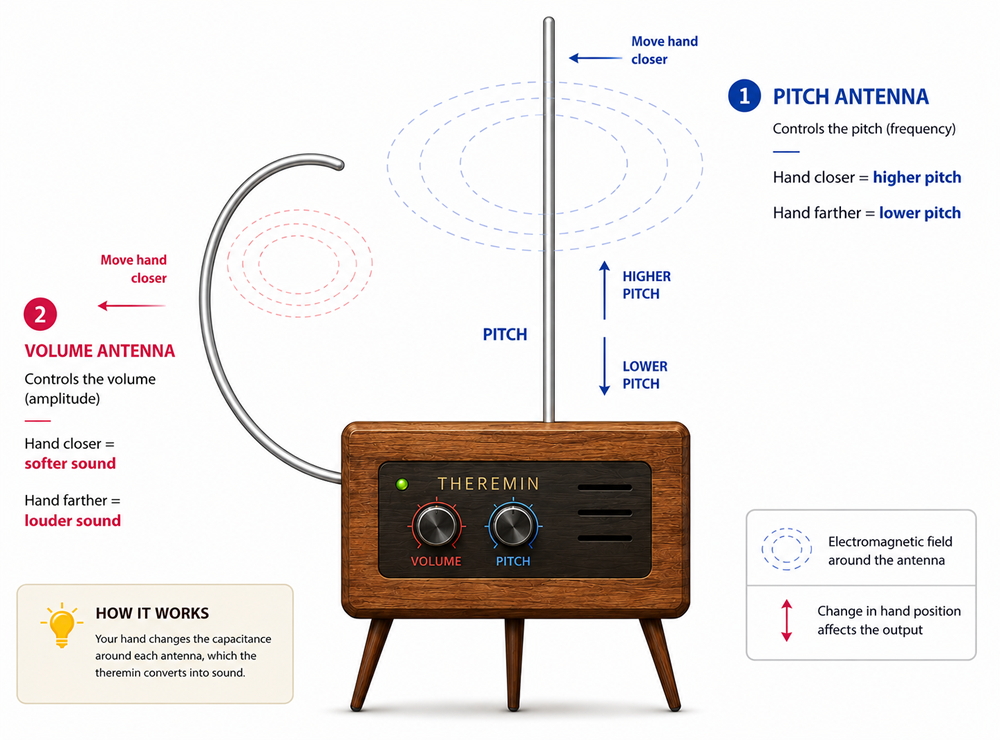
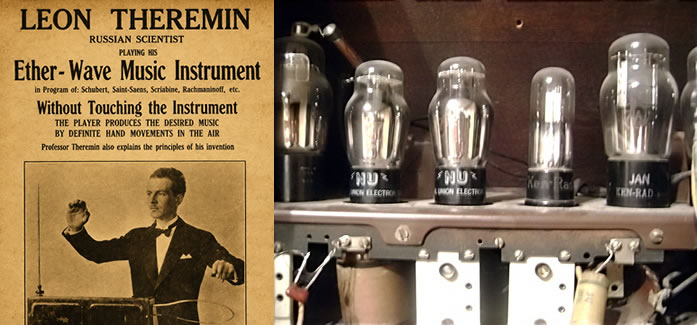
Russian physicist Lev Termen (known in the West as Léon Theremin) was researching proximity sensors at the Petrograd Physico-Technical Institute when he noticed that his hand, as it approached a radio circuit, changed the frequency of the tone it produced. The instrument was born from that observation.
1922.
A demonstration for Lenin
Termen showed his invention to Vladimir Lenin, who was so impressed that he took lessons to play it and commissioned hundreds of units for distribution across the Soviet Union, then sent Termen on a tour to showcase Soviet technology across Europe.
1930s.
Clara Rockmore, the great virtuoso
Violinist Clara Rockmore, Theremin's collaborator and partner, developed her own technique for playing it with an almost vocal precision, and became the instrument's most celebrated performer.
1950s.
The voice of science fiction
Its ethereal, slightly unstable timbre made it a favourite device of the era's cinema — the source of its lasting association with the alien, the psychological and the supernatural.
1954.
A young Robert Moog
Before inventing the synthesizer that bears his name, a teenage Robert Moog was building theremins in his family's basement with his father — a direct link between this instrument and all the electronic synthesis that followed.
Today.
From antenna to VSTi
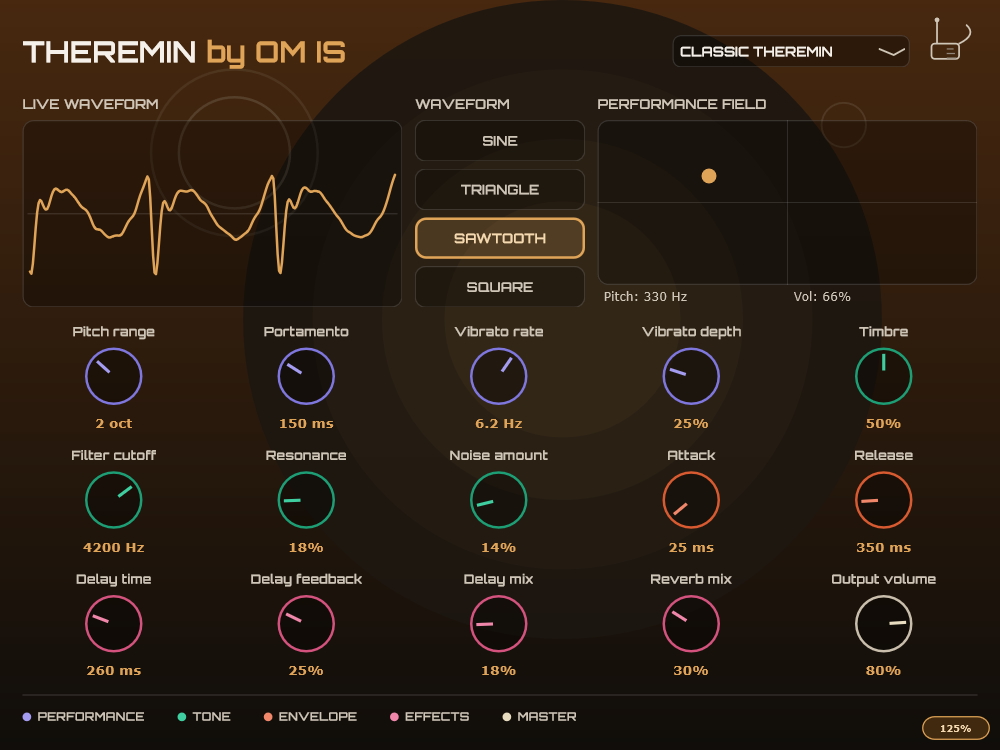
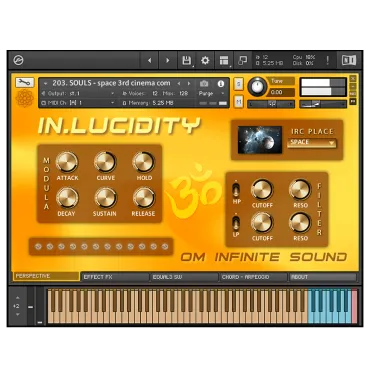
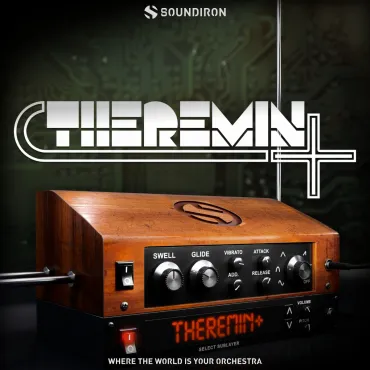
More than 100 years later, the theremin is still being built and played live — and its signature gesture, continuous touchless control, remains a source of inspiration for brand-new instruments, like this one.