
Sign in to Loot Audio
Access your downloads, purchases and more
Access your downloads, purchases and more

Pulse is a revolutionary new downloader offering blazing fast speeds and powerful control over your libraries. Loot Audio uses Pulse to power some of our downloads and to make managing your libraries more efficient for you.
After your purchase we will send you a unique code (you will also find the code in your account). Use the code with Pulse to power your download and installation. More information about Pulse can be found here.
What are Credits?
You earn Credits every time you purchase a product from Loot Audio. 3% of your order is added to your account in the form of Credits.
Use Credits for money off future orders or convert them to Sample Credits to download samples from the Sounds section of the site.
Electromechanical Plate Reverb


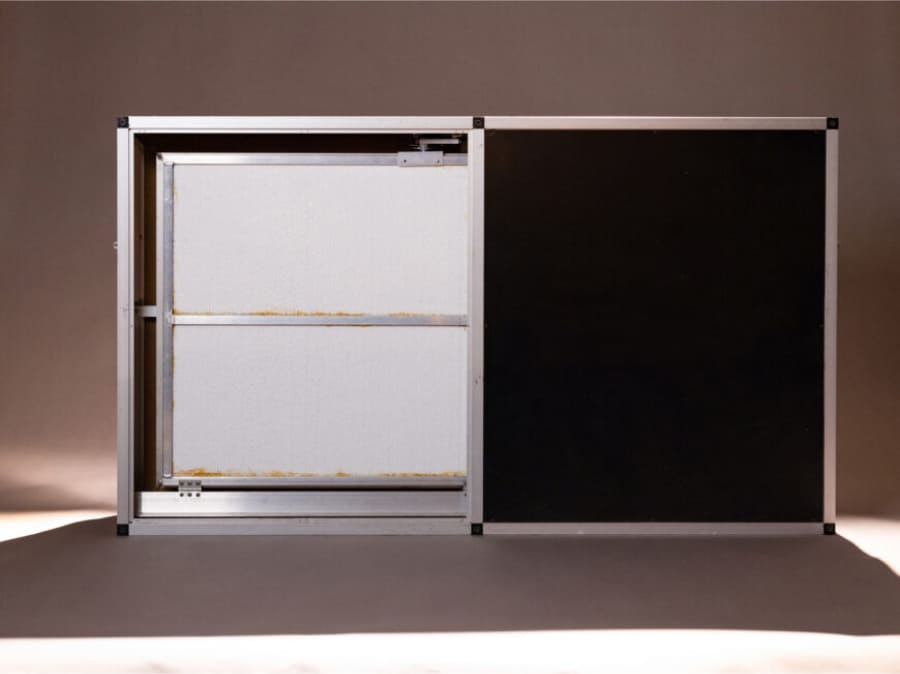
$149.00
Earn 387







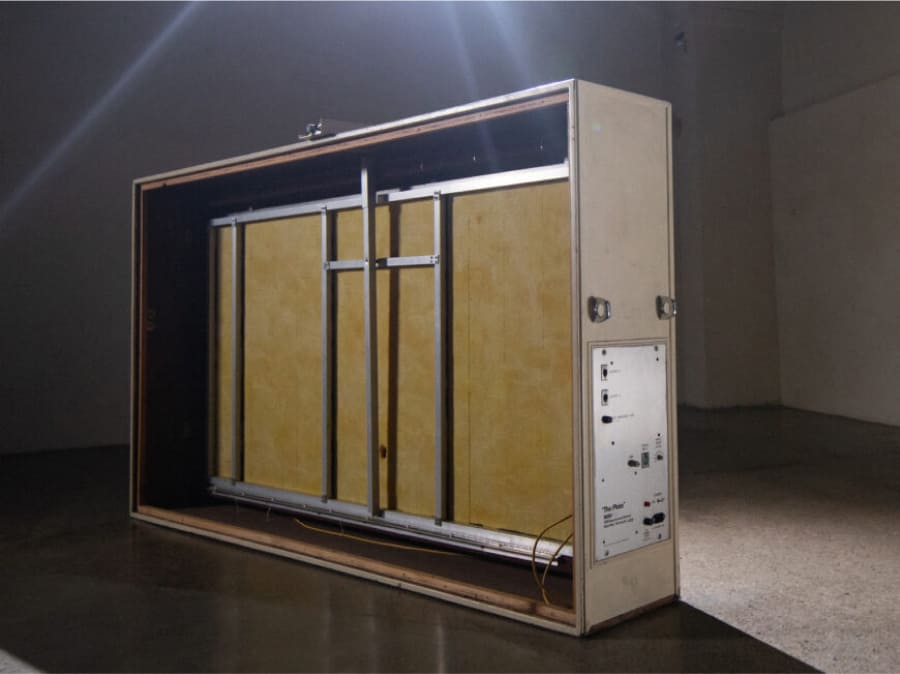
Based on Audicon’s “The Plate” (c. 1971) also known as the “Lawson Plate”. It was designed by Gene Lawson (Lawson Microphones) in Nashville to be a more economical plate reverb for those who couldn’t afford an original EMT 140. It was manufactured by console manufacturer Auditronics out of Memphis, Tennessee.
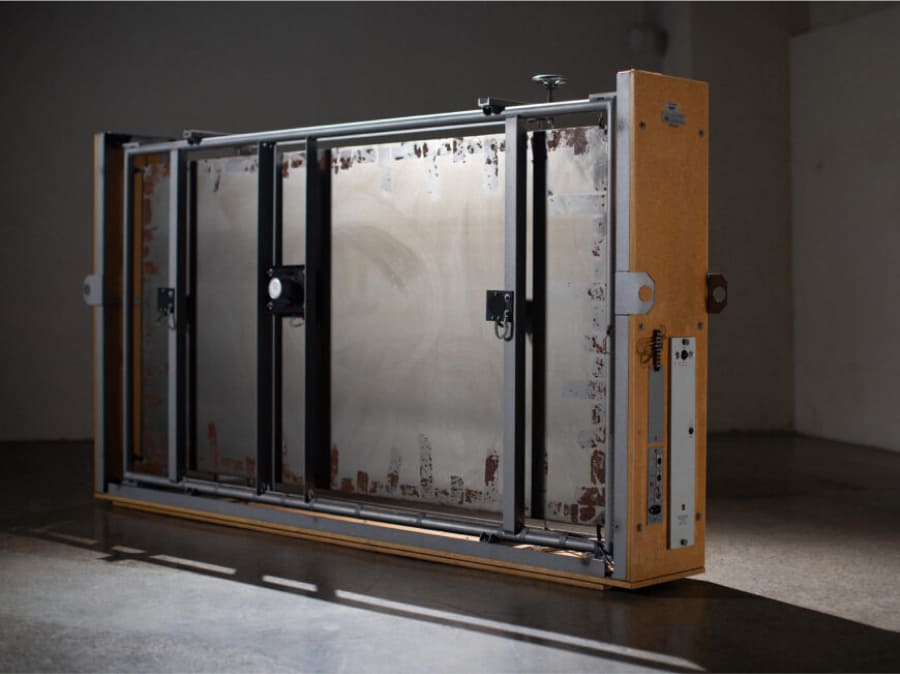
Based on the EMT 140 (1957), the most well-known and the first commercially successful plate reverb. It was made by hanging a plate of cold-rolled steel in a metal frame, and as legend has it, the steel came from one specific Welsh ore mine. The EMT 140 was a studio standard for many years, and is what most people reference when they talk about plate reverb.
Based on the EcoPlate III (c. 1982). The EcoPlate III was the third and smallest version of the EcoPlate series. All three EcoPlate versions were designed by Jim Cunningham. The EcoPlate series uses a stainless steel alloy to create its reverberation and all three versions have an exceptionally bright and spacious sound.
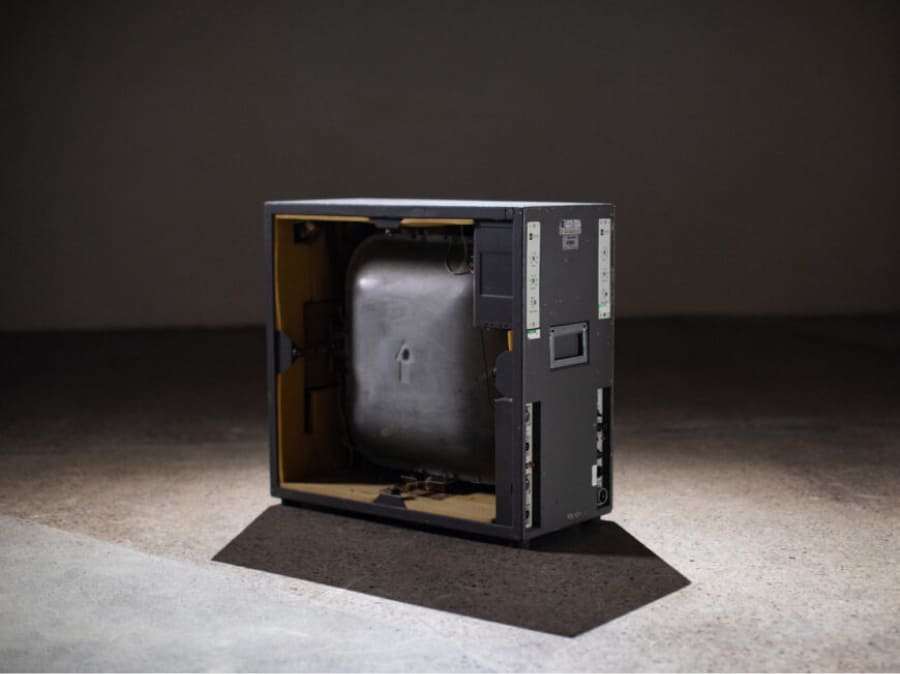
Based on the EMT 240 (1970) the successor to the EMT 140. The EMT 240 was technically not a plate at all, and was designed to create a more compact and portable reverb. Instead of a steel plate, it used a thin foil of 24-karat gold to create its distinctive darker and tighter sound.
All plate reverbs use a pre-amplifier to drive the “voice coil” that turns electrical sound waves into the physical vibrations of a plate reverb device. Included are two different preamp models in SuperPlate, Tube and Solid-State, along with a Clean mode – which can each be used in combination with any of SuperPlate’s styles.
The Tube mode is modeled on the original EMT V54 preamp that was used in the earliest EMT 140 plates and can be used to add a little (or a lot) of harmonic spice to your sound before it hits the reverb.
The Solid-State mode is modeled on the EMT 162 preamp that was used in later versions of the EMT 140. This model has a built-in compressor that can be used to help control and tame transients on their way into the reverb.
SuperPlate’s Clean mode strips out all preamp modeling and preserves the pure sound of the various plate models without any additional harmonic distortion or dynamics.
Let It Breathe
SuperPlate’s unique Auto-Decay feature shortens the decay time to a desired “target” setting when the input signal is above the adjustable threshold. This feature is crucial in keeping the sound clear and prevents punchy transients from being overpowered by excessive reverb tails. Combined with the recovery speed control, you can make your reverb breathe with the pacing of your music.

Tame Your Tail
SuperPlate’s built-in 4 band EQ makes it easy to sculpt the reverb to fit your mix. The low-cut filter is essential to prevent excessive low-frequency energy from building up, and the high-cut filter can be used to help the reverb to blend in naturally with the original sound. The two parametric bands are super flexible and can be used to help tame mid range resonances or add high frequency sheen.

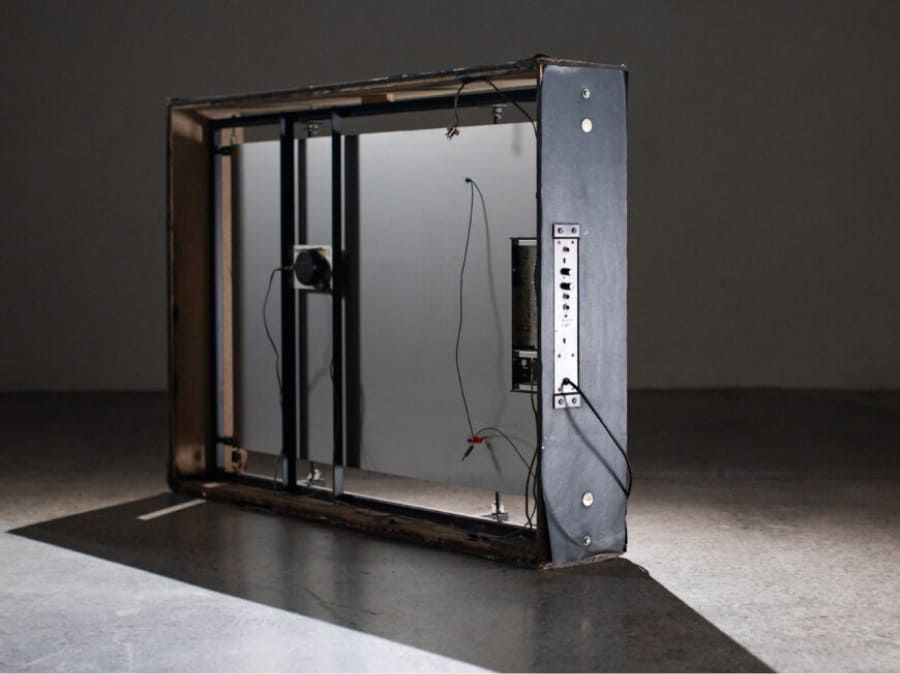
Based on the Stocktronics RX4000 (1978). The RX4000 is the only Swedish plate we know of, and it uses a steel alloy plate with “low internal crystallic damping characteristics” [1] which gives it a very distinctive extended high frequency response. In other words, this plate has zing!
Current Version: 5.4
Apple Silicon and VST 3 Compatible
Plug-in Formats (64-bit only):
Supported Sample Rates:
System Requirements:
Supported Hosts: