Mission 6 — Analog Polysynth Revival
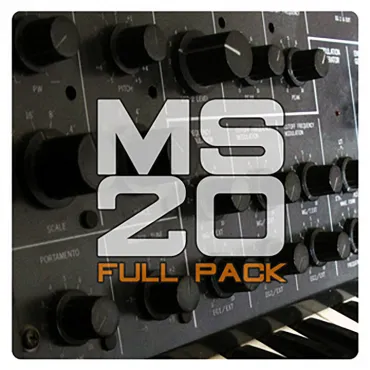
An epic instrument both in design and capability, this machine is an audacious synthesizer that seemingly came out of nowhere in 2000. A play on the word "ASICs", this beast took the world by surprise and redefined the capabilities of the analog polysynth, with 16 dual-osc, dual-filter voices using custom ICs, and 16 multitimbral parts.
Capable of both cross and ring modulation, and loaded with both SEM and Ladder-style filters per-voice, numerous LFOs, highly-flexible envelopes, a powerful mod matrix, built-in effects, and generous hands-on control, this synthesizer is a sound designers dream, and to this day a potent, massively capable instrument that feels well ahead of its time.
No matter how deep you go with the original hardware, it's hard to feel that you've done much more than scratch the surface; the number of tricks this synth can pull off and flavors you can create are nearly endless. That said, our sound designers had an absolute blast putting this machine through its paces, creating an incredible collection of sounds that range from vintage OB-esque tones to thick and gritty FM, lush filter-swept pads to bubbling leads and wild textures.
Bass, Bells, Brass, FX, Keys, Leads, Organs, Pads, Pluck, Polysynth, Strings, Sweeps and more, in the end you get access to 300 presets, all lovingly hand-crafted by the sound design team at UVI. Assembled from a library of 30,409 hardware samples arranged into 217 layers, PX Guitar Syn sounds immediate and alive with a wide range of useful patches. The dual-layer architecture means you can create stacks with ease, and opens up the door to countless possibilities.
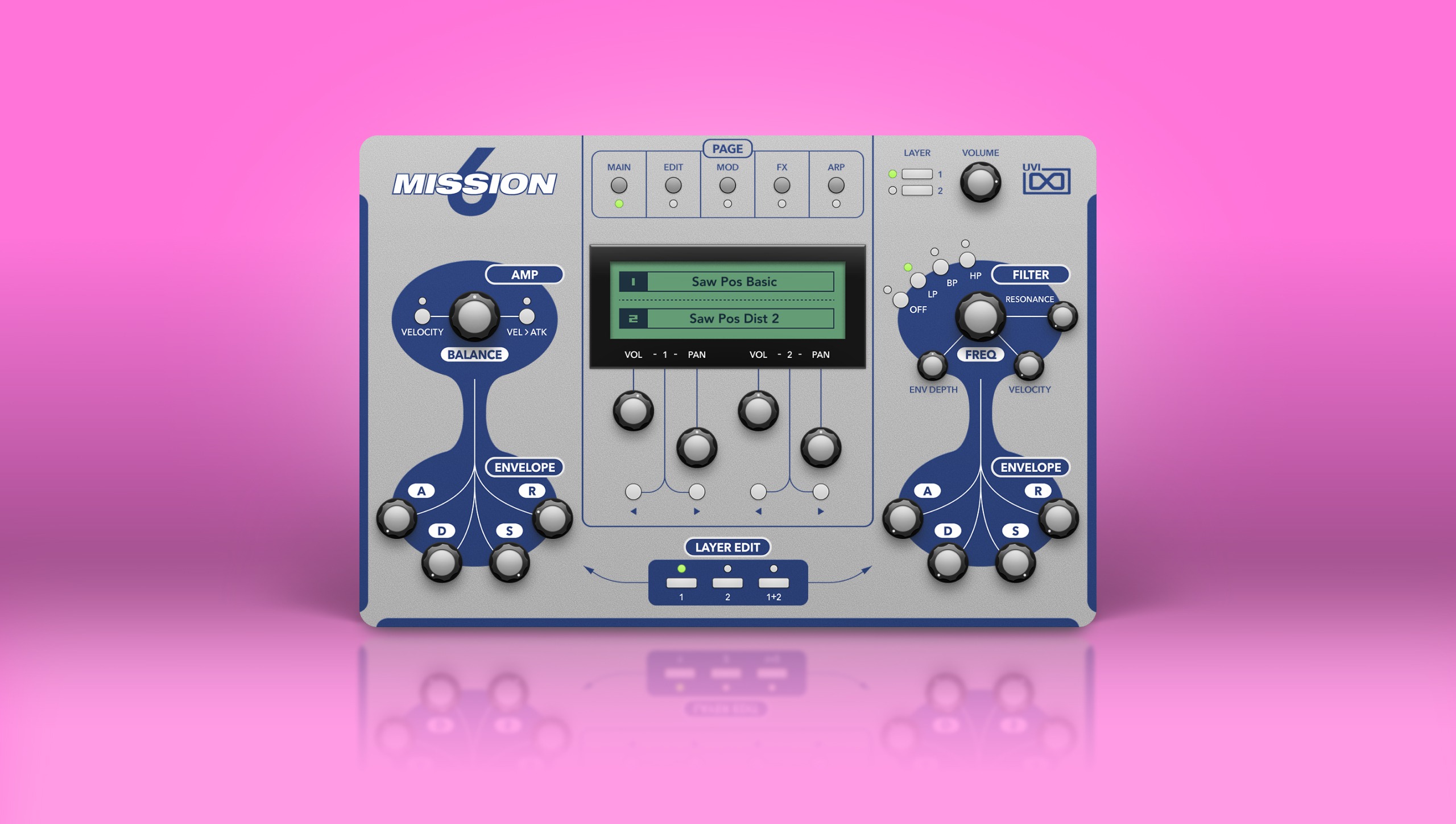
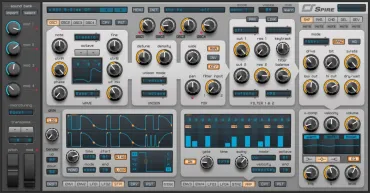
Mission 6's aesthetic was adapted to closely follow the design cues of the hardware, giving you the feel of this radically styled instrument as you edit the dual-layer sounds. You'll find complete control over everything from oscillators, envelopes, multimode filters, LFO and step modulator, dual arpeggiators and a featured effect section including EQ, drive, Thorus, ensemble, Phasor, delay, and Sparkverb, all clearly labeled and easy to tweak.