Rotary — The Evolution of Tonal Revolution
Originally invented in the 1940's, rotary speaker cabinets imaginatively employ the Doppler effect by firing a woofer into a rotating drum and a tweeter into a rotating horn. The results are much more harmonic than typical tremolo or vibrato effects, producing sounds ranging from rich and shimmering to gentle, dreamy and swirling. These novel speakers were quickly adopted by jazz organists, cemented by blues and rock legends such as Buddy Guy, Jimi Hendrix, Robin Trower, Pink Floyd and The Beatles, and later the effect simulated by guitar pedal manufacturers.
Instantly made famous by the Beatles hit 'Strawberry Fields Forever' and used by countless others including The Moody Blues, Rolling Stones, and prog rock legends Yes, this was the 'must-have' sound of the 60's. While its use fell out of fashion the implications it made have become fundamental to modern music production.
The sound of rotary cabinets comes from the combination, mixing and balancing of numerous components including cabinet, horn and drum speakers, motor, belt, amplifier and the box diffusion itself. Our goal was not only to accurately reproduce each working part but to give complete parametric control over its internal mechanism, allowing the creation of effects well beyond what was possible on the original units.
Several rotary speaker cabinets were extensively modeled, taking into account physical construction, electronics and acoustic profiles including frequency response, harmonic distortion, diffusion and more. Careful testing, calibration and optimization of these models has yielded surprisingly efficient algorithms that are both faithful in sound to their hardware counterparts and light on CPU requirements.
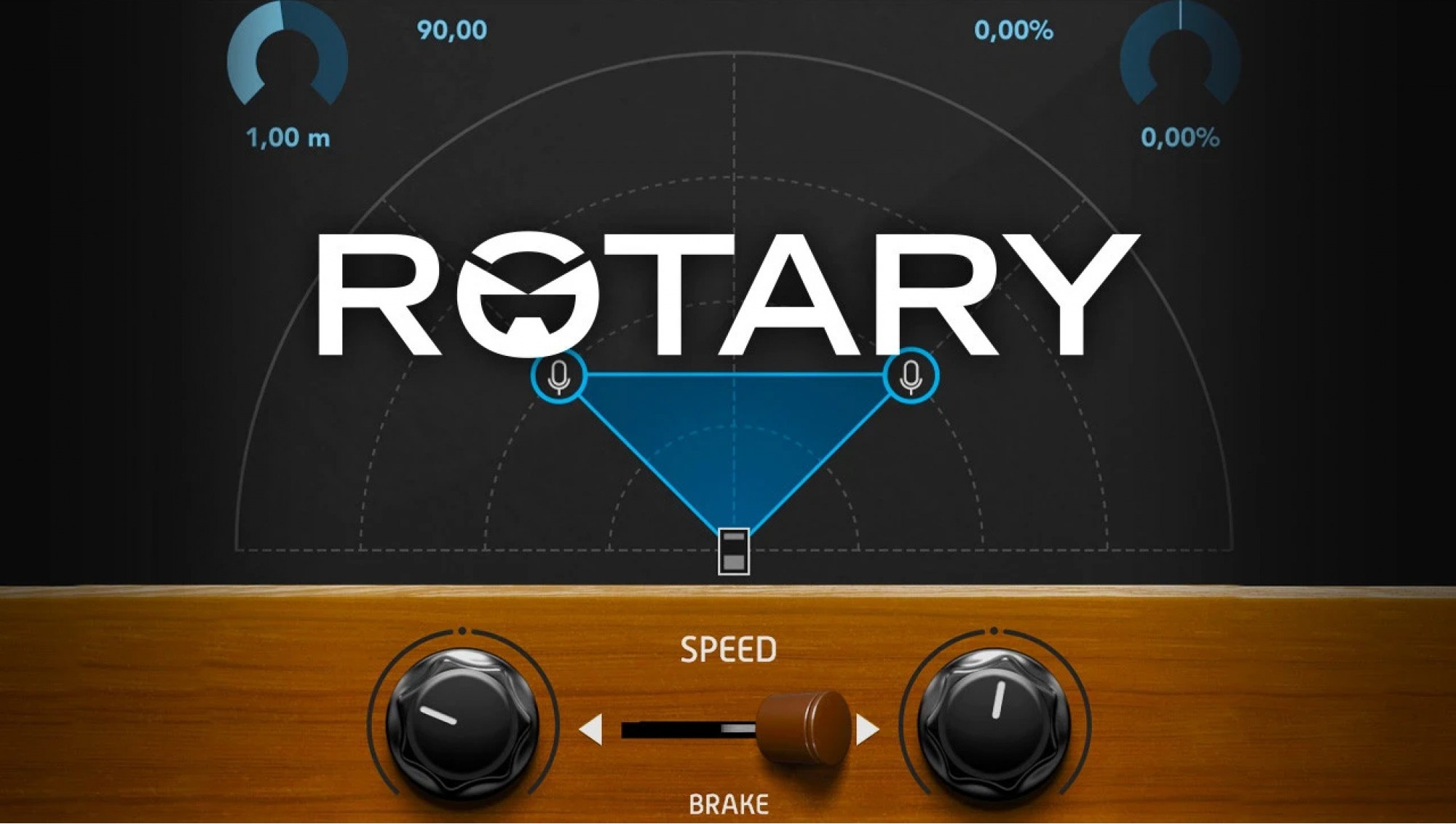
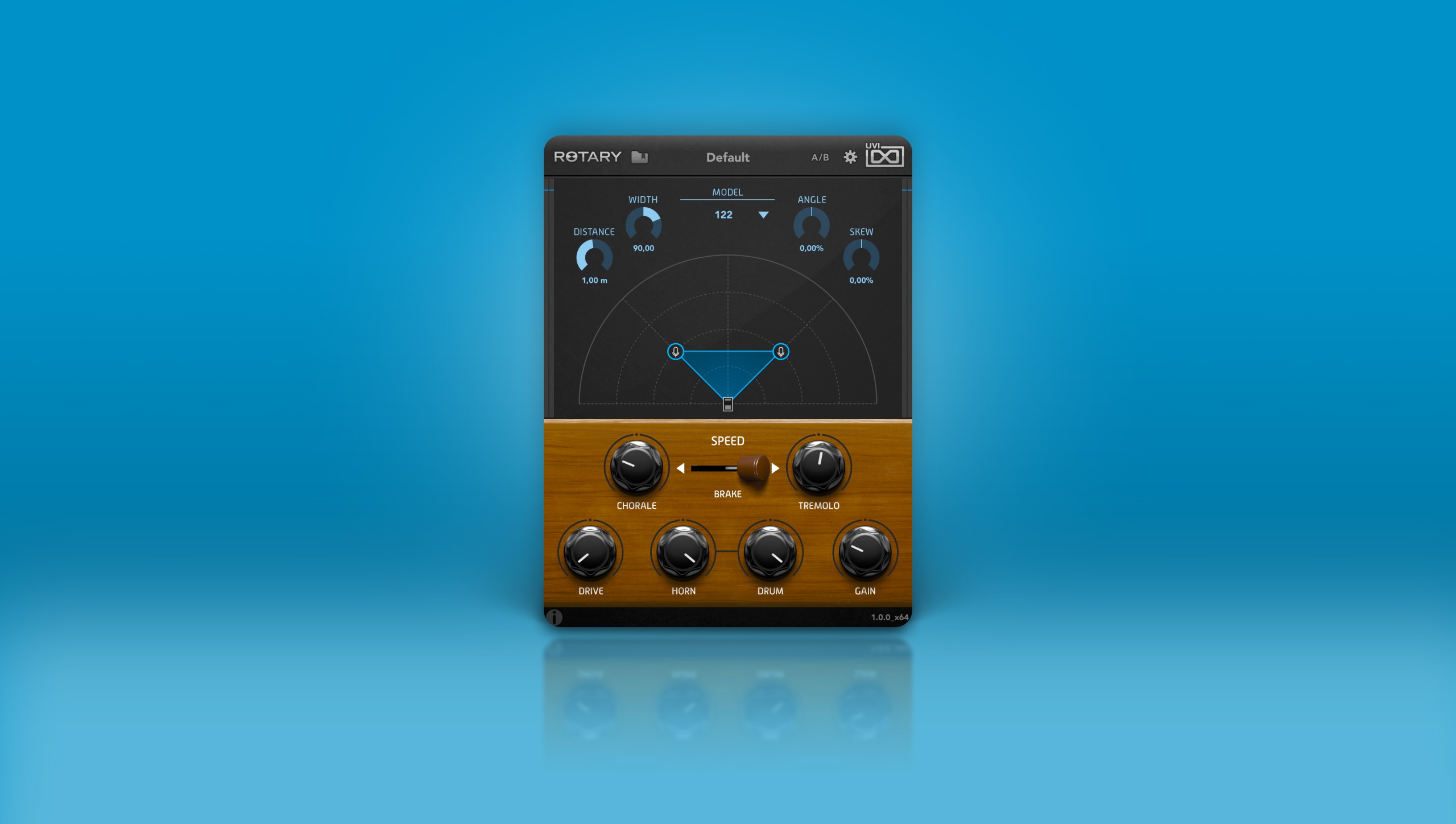
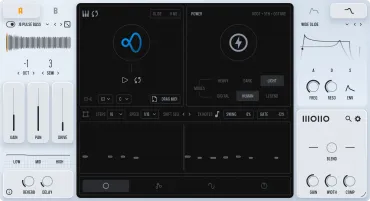
Rotary allows for near-effortless placement and fine-tuning of microphone position via simple click-drag and macro controls. Asymmetry, automation, stereo field tweaks and easy A/B auditioning are all possible, allowing you to easily dial in the tone you’re after without the hassle and space requirements of a physical speaker and mics.
Independent and deep control over the horn and drum sections of the rotary cabinet provide an incredible sonic palette. Easily set their level on the front panel or jump over to the back panel to reconfigure Rotary’s inner-mechanism for subtle to extreme results.