

Listen to modern award-winning film and television scores by composers like Jóhann Jóhannsson (Arrival, Sicario), Hildur Guðnadóttir (Joker, Chernobyl), Colin Stetson (Hereditary), or Mica Levi (Under the Skin), and you will notice a striking common thread: they rarely rely solely on pristine, polished orchestral patches.
Instead, modern media scoring thrives on the bespoke, the imperfect, and the obscure. When a scene demands suffocating psychological tension, ethereal wonder, or gritty narrative realism, factory strings and generic synth presets feel disconnected and sterile. Directors and music supervisors want sonic identities that belong uniquely to their world — sounds born from bowed metal, rusted machinery, tape loops, and eccentric acoustic contraptions.
Fortunately, boutique sample developers have spent years capturing these extraordinary, offbeat sound sources and building them into deeply expressive Native Instruments Kontakt instruments. Here are 5 obscure and unusual Kontakt libraries on Loot Audio guaranteed to inject haunting atmosphere, distinctive character, and fresh inspiration into your film, game, and media scores.
1. Spookomatic (by SzcZ) — The Autonomous Dread Generator
Created by Polish sound designer and experimental composer SzcZ, Spookomatic is not a standard instrument patch — it is an autonomous, evolving soundscape laboratory engineered specifically for suspense, eerie dread, and melancholic wonder.
At its core is an eight-layer sound engine combining bowed metallic sculptures, scraped resonant surfaces, percussive transients, and environmental room tones. What sets Spookomatic apart is its complex modulation grid: each layer is dynamically reshaped by independent step-sequenced modulators, subtle pitch drifts, and micro-delays, causing textures to mutate organically over time without ever repeating identical cycles.
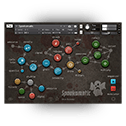
Its standout creative weapon is the self-configuring randomizer algorithm. Hit the shuffle button, and the engine dynamically recalibrates textures, filter cutoff trajectories, and space parameters to generate an evocative, one-of-a-kind cinematic cue in a single click — perfect when a deadline is looming and you need an instant mood piece.
Ideal Genres: Psychological horror, slow-burn crime thrillers, dystopian sci-fi discovery sequences.
Composer Tip: Hold a single low root note and route Spookomatic through a subtle tape saturation plugin. Allow the internal step modulators to generate natural movement while you automate the cutoff filter to follow the protagonist's emotional state on screen.
2. Infundibulum 2.1 (by Sound Dust) — Polyrhythmic Electro-Acoustic Patina
Sound Dust, steered by Brighton-based instrument inventor Pendle Poucher, has long been a secret weapon among discerning film and media composers. Infundibulum 2.1 borrows its title from Kurt Vonnegut's concept of a chrono-synclastic infundibulum — a cosmic intersection where all contradictory versions of reality harmoniously coexist.
That philosophical foundation translates directly into the engine: Infundibulum pairs three independent sound lanes drawn from 60 eccentric acoustic and electro-mechanical sources (yielding over 216,000 potential sound combinations). It brings together vintage harmoniums, acoustic guitars, spring reverbs, modular filters, and magnetic tape flutter, running them into a dedicated polyrhythmic sequencing matrix.
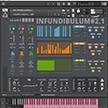
Rather than static arpeggios, Infundibulum pulses with mechanical life. Notes decay with realistic acoustic wear, tape saturation blooms on accented hits, and polyrhythmic step lanes slide across each other in hypnotic, shifting waves.
Ideal Genres: Investigative documentaries, quirky indie dramas, time-lapse sequences, existential sci-fi.
Composer Tip: Set lane 1 to a 5-step loop, lane 2 to a 7-step loop, and lane 3 to a 4-step loop. The resulting phase-shifting ostinato creates an ever-evolving, non-repetitive musical bed that keeps dialogue scenes driving forward without demanding the listener's conscious attention.
3. The Grand Mechaniano (by Atom Hub) — Steampunk Clockwork & Prepared Piano Deviations
What happens when you take an acoustic grand piano from a classical music academy and deliberately expose it to aging, harsh weather simulations, and mechanical interference? Boutique artisan Matous Godik answered that question with The Grand Mechaniano.
Rather than a standard pristine grand piano, Godik spent years recording acoustic field debris across abandoned highway junkyards, agricultural machinery left standing in open fields, steel sculptures in municipal parks, container springs, elevator creaks, and rusty garden gates. These found-sound artifacts were meticulously tuned and integrated directly into the piano's internal soundboard architecture.
 -50% OFF
The interface provides dedicated faders for mechanical ticking noise, gear hum, hammer clicks, and the resonant grand piano frame. You can blend an eerie, detuned piano chord with the tactile friction of clockwork pendulums and grinding brass springs.
Ideal Genres: Victorian gothic thrillers, steampunk adventure games, true crime podcasts, dark fairy tales.
Composer Tip: Mute the tonal piano layers completely and play the mechanical faders as an organic Foley percussion track. The ticking clockwork gears and rusty lever impacts produce an intimate, suspenseful ticking-clock cue that sounds entirely acoustic and human.
4. Subtle World (by Soundethers) — Expressive Real-Time Underscore Morphing
Crafted by Italian sound designer and composer Elvio Cavalca (Soundethers), Subtle World is built for deep, introspective storytelling. Powered by Jeremiah Pena's revered Photosynthesis engine, the library contains 58 NKIs and 16 multi-instruments blending field recordings, bowed ethnic textures, analog synthesizer waveforms, and ethereal vocal pads.
What makes Subtle World an indispensable film scoring asset is its performance-first automation layout. The instrument is pre-configured with four dedicated MIDI CC knobs plus the Mod Wheel mapped to low-pass filters, high-pass shaping, harmonic distortion, and host-synced LFO sweeps.
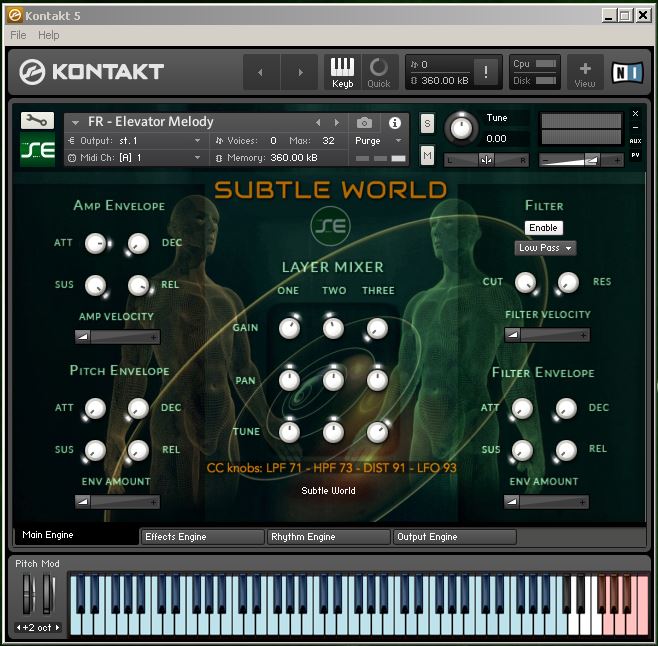
Subtle World
Without ever lifting your hands from your keyboard, you can smoothly transition a single sustained chord from a fragile, gossamer crackle of distant birds and room air into a colossal, distorted industrial drone that rumbles through the subwoofer.
Ideal Genres: Nordic noir drama, vast deep-space sci-fi, contemplative nature documentaries, art-house cinema.
Composer Tip: Assign the Mod Wheel and CC11 (Expression) to an XY pad controller. Perform your cues in real-time while watching picture; the continuous textural morphing will naturally hit visual picture cuts with emotional accuracy.
5. ROLA-78 (by Forgotten Keys) — Authentic 1978 Analog Pulse for Dialogue Beds
When film composers need subtle percussive movement underneath an emotional scene, modern 808s and electronic trap beats often sound far too aggressive and modern. Vintage analog rhythm boxes from the late 1970s — most famously the legendary 1978 Roland CompuRhythm CR-78 — provide an organic, warm pulse that sits transparently in a mix.
Forgotten Keys' ROLA-78 is widely regarded as one of the most painstaking Kontakt recreations of the CR-78 ever produced. Rather than relying on static, repetitive audio loops, developer Barry Lamont sampled every individual drum voice at multiple accent levels with natural round-robin variations and simulated analog component drift.
 -25% OFF
The library features all original preset rhythms and add-in variations, plus modern workflow enhancements including an adjustable swing control, an innovative "Free Fills" engine that generates randomized fills from snippets of authentic patterns, and a built-in MIDI recorder to drag patterns directly into your DAW.
Ideal Genres: Slow-burn political thrillers, retro-futuristic synth scores, emotional drama underscores.
Composer Tip: The wooden bongo, guiro, and metallic maracas of the CR-78 occupy narrow frequency bands (above 2 kHz and below 8 kHz) that stay completely clear of the human voice (500 Hz – 2 kHz). You can run a driving ROLA-78 rhythm track straight through an actor's dialogue without masking a single syllable.
Composer Masterclass: 4 Rules for Layering Boutique Textures with Orchestral Cues
Adding boutique, obscure instruments to a conventional orchestral template can instantly elevate a score from generic to world-class. However, because these libraries contain rich harmonic overtone series and noisy transients, they require mindful mixing. Here are four workflow rules used by top media composers:
1. Carve the Dialogue Pocket with Dynamic EQ
Boutique field recordings and prepared resonators often feature prominent midrange resonances between 1 kHz and 3.5 kHz. To keep spoken dialogue intelligible on streaming and cinema mixes, insert a dynamic EQ on your texture bus and sidechain it to the dialogue stem. A gentle 2 dB to 3 dB dip whenever characters speak keeps the atmosphere immersive without cluttering the spoken word.
2. Pitch-Shift Textures Down 12 or 24 Semitones
If an acoustic texture (such as the metallic scrapes in Spookomatic or the ticking gears in The Grand Mechaniano) feels too prominent in the treble spectrum, transpose the Kontakt instrument down by 12 or 24 semitones. Kontakt's resampling engine will stretch the high-frequency friction into gargantuan, subsonic rumblings and guttural sub-bass drones that ground your cues.
3. Pair Pristine Soloists Against Gritty Beds
Contrast is the heartbeat of dramatic scoring. If you are recording a pristine solo cello or acoustic violin, do not accompany it with a clean synth pad. Instead, place an organic, unstable bed underneath — such as the tape-worn harmoniums of Infundibulum 2.1 or the delicate pulsing textures of Subtle World. The friction between human perfection and acoustic decay commands the audience's emotional focus.
4. Automate Micro-Pitch Instability for Psychological Tension
Modern audiences have become desensitized to sheer loudness; cinematic dread is now built through pitch instability. Modulating the pitch wheel or subtle wow/flutter LFOs by just 10 to 15 cents creates an uncanny, vertigo-inducing sensation that hints to the viewer that something is fundamentally wrong on screen.
Quick Comparison: Boutique Kontakt Libraries at a Glance
Need to choose the right sonic palette for your current production? Here is how these 5 extraordinary libraries compare:
| Instrument | Developer | Primary Sonic Signature | Best Suited For | Kontakt Version |
|---|---|---|---|---|
| Spookomatic | SzcZ | Autonomous metallic scrapes, eerie pads & randomizer engine | Horror, Psychological Thrillers, Sci-Fi Tension | Kontakt 5.5.2+ (Full) |
| Infundibulum 2.1 | Sound Dust | Polyrhythmic harmoniums, acoustic guitars & tape delay patina | Investigative Cues, Time-Lapse, Indie Drama | Kontakt 5.8.1+ (Full) |
| The Grand Mechaniano | Atom Hub | Prepared grand piano with clockwork gears & junkyard Foley | Victorian Gothic, Steampunk, True Crime Mystery | Kontakt 5.8.1+ (Full) |
| Subtle World | Soundethers | Morphing field recordings, ambient pads & bowed textures | Nordic Noir, Ambient Underscores, Nature Documentaries | Kontakt 5.5.1+ (Full) |
| ROLA-78 | Forgotten Keys | Meticulous 1978 CR-78 analog drum machine recreation | Dialogue-Safe Rhythms, Retro Cues, Tension Beds | Kontakt 5.8.1+ (Full) |
All five libraries featured in this guide are designed for the full retail version of Native Instruments Kontakt (version 5.5.2 / 5.8.1 or later, including Kontakt 6 and Kontakt 7/8). They are not licensed for the free "Kontakt Player" and will run in 15-minute demo mode if loaded into Kontakt Player. Always verify the required version on each product page prior to purchasing!
Frequently Asked Questions
Why choose boutique Kontakt libraries over mainstream orchestral suites?
Mainstream orchestral suites excel at delivering standard Hollywood symphonic sounds, but thousands of composers use the exact same patches every day. Boutique libraries focus on unusual acoustic resonators, custom hardware processing, prepared instruments, and found-sound textures that give your scores a distinctive, instantly recognizable sonic identity.
Can these libraries be used outside of film and game scoring?
Absolutely. Producers working in ambient, IDM, post-rock, neo-classical, dark synthwave, and experimental techno frequently use instruments like ROLA-78 and Subtle World to introduce organic human warmth and tactile textures to purely electronic arrangements.
Do these libraries work in the latest version of Kontakt?
Yes. Any instrument created for Kontakt 5.5+ loads seamlessly into Kontakt 6, Kontakt 7, and Kontakt 8 Full Retail editions with 100% backward compatibility.
Looking to explore more handcrafted instruments and unique sound design engines? Browse the full curated collection of boutique instruments on Loot Audio's Kontakt Instruments catalogue.