




Ask any mix engineer to name the most difficult challenge in modern music production, and the verdict is almost unanimous: getting the low end right.
Sub-frequencies (between 20Hz and 100Hz) carry immense physical energy. When your kick drum and bass synth fight for the exact same acoustic space, the result is either muddy, flabby phase cancellation on club sound systems, or a mix that sounds thin and weak on consumer earbuds.
In this guide, we walk through a proven, step-by-step methodology for dialing in clean, hard-hitting low end, accompanied by the premier low-end sculpting tools on Loot Audio.
Before you touch an EQ or compressor, make a fundamental creative decision: Which element owns the bottom octave (30Hz-60Hz)?
- Option A (Kick Dominant): If your kick drum has a deep, resonant sub-thud (typical in Hip-Hop, Pop, and Techno), your bassline should sit slightly higher, centered between 80Hz and 160Hz.
- Option B (Bass Dominant): If you have an immense, sustained 808 or synth sub-bass, your kick drum should be tuned higher (punching between 70Hz and 120Hz) with a fast, short decay so it steps out of the bassline's way immediately.
Step 1: Low-End Enhancement with Denise Audio Bass XXL
A frequent mistake producers make when a bassline feels weak is simply cranking up a low-shelf EQ at 50Hz. This floods your mix headroom with sub-energy that small phone and laptop speakers cannot physically reproduce.
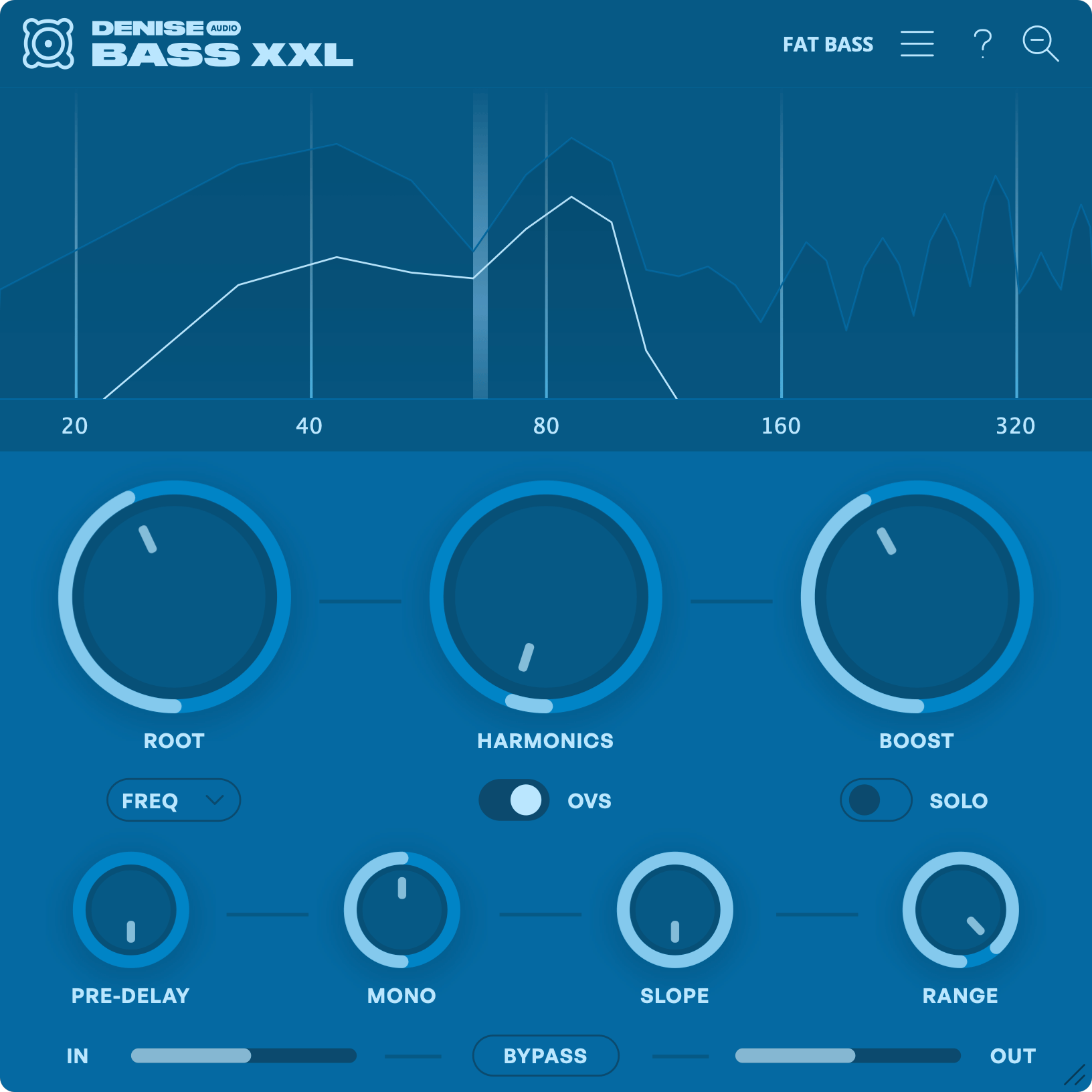
Denise Audio's Bass XXL takes a fundamentally superior approach: rather than artificially boosting sub-frequencies, it generates musical upper harmonics based on proprietary psychoacoustic algorithms.
Bass XXL
By tailoring harmonic saturation over specific frequency ranges, Bass XXL ensures your kick and bass remain thunderous on club subwoofers while remaining instantly audible and punchy on standard smartphone speakers and car stereos.
Step 2: Sub-Bass Synthesis & Character with Baby Audio SubCulture
When you need pure, unshakeable low-frequency power beneath an acoustic bass or thin synthesizer patch, Baby Audio's SubCulture is an essential studio weapon.
 -51% OFF
SubCulture
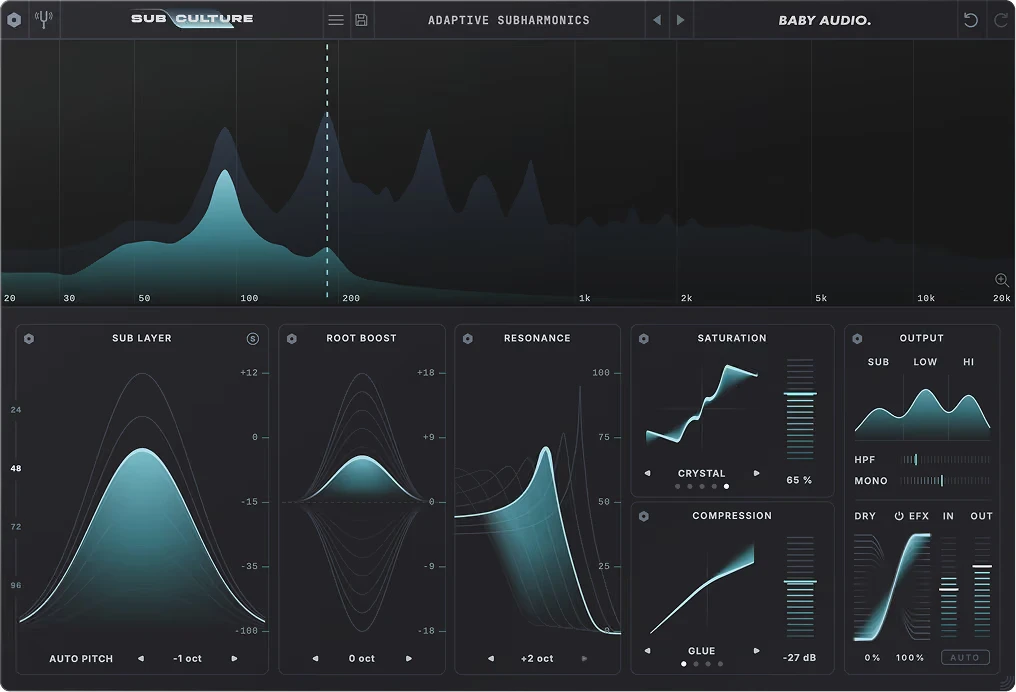
SubCulture features specialized sub-octave generation with intelligent pitch tracking, dynamic drive, and frequency-targeted saturation. Unlike static bass boosters, its adaptive architecture tracks incoming monophonic pitch in real time, transforming weak bottom octaves into massive, grounded low-end foundations that never waver or drift out of phase.
Step 3: Smart Dynamic Sidechaining & Frequency Unmasking with Fuser
Even when your kick and bass are tuned and equalized, they will inevitably collide when they hit simultaneously. Traditional broadband sidechain compression often sounds too extreme—pumping the entire bassline down and causing noticeable energy dropouts.
Fuser by Mastering The Mix revolutionizes this workflow. Instead of squashing the entire sound, Fuser uses intelligent sidechain analysis to carve out only the precise conflicting frequencies in real time, exactly when the kick transient fires.
 -30% OFF
Fuser
With its built-in Phase Conflict detection and automatic phase alignment controls, Fuser ensures your kick drum punches straight through dense 808s and heavy synth basslines with surgical transparency.
Step 4: Calibrated EQ Balancing with Mastering The Mix Bassroom
Because domestic room acoustics and bedroom studios suffer from severe room mode resonances and standing waves, what you hear in your studio monitors below 100Hz is often misleading.
Bassroom by Mastering The Mix was built specifically to solve this blind spot. Designed by professional mastering engineers, Bassroom analyzes your audio against curated genre targets and visualizes low-end energy across five calibrated bands.
 -50% OFF
Bassroom
Unlike standard graphic EQs that introduce unwanted phase shifts, Bassroom utilizes custom-designed minimum phase filters that preserve transient clarity while ensuring your low end translates cleanly across every sound system.
Step 5: Checking Headroom & Phase with Mastering The Mix Levels
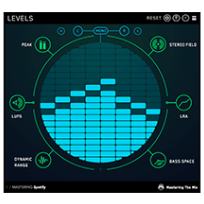
Before finalizing your bounce, monitoring your low-end phase correlation and peak levels is crucial. Levels by Mastering The Mix gives you real-time diagnostics on dynamic range, stereo spread below 120Hz, and true peak overshoots.
 -50% OFF
Levels
Always collapse your frequencies below 90Hz-100Hz into pure mono. Wide sub-frequencies cause destructive phase cancellation when played on club mono sub-systems and vinyl pressing latches. Use a plugin like Levels to confirm your low frequencies are completely phase-aligned!